
| Quick answer
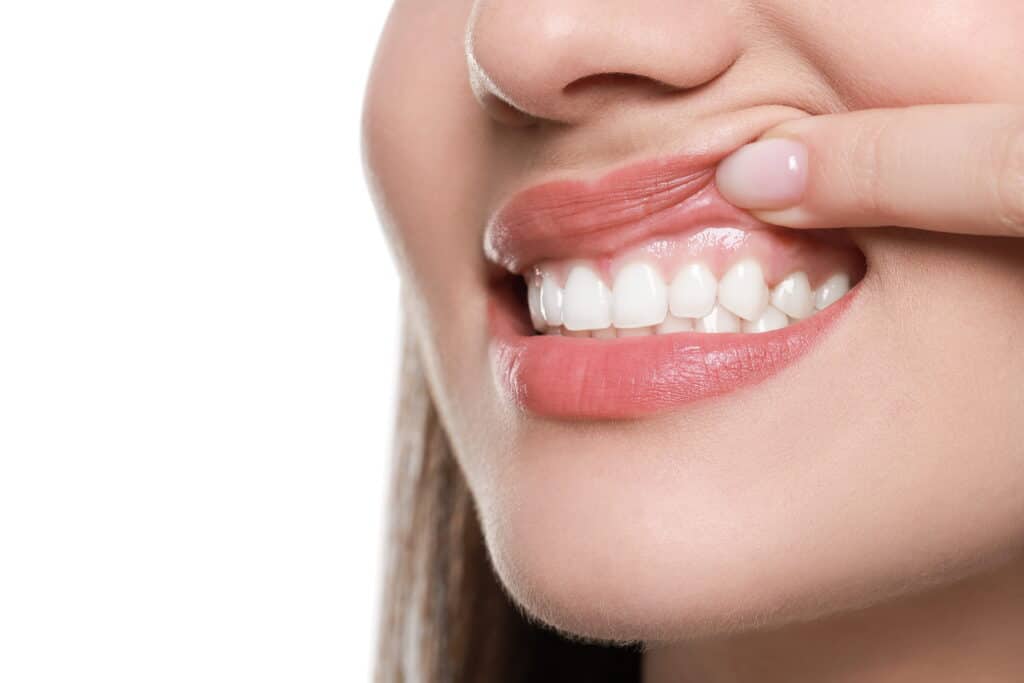
Yes, you can have healthy teeth and unhealthy gums at the same time because two different systems support teeth and gums. Cavity-free teeth do not guarantee healthy gums, since gum disease often develops quietly below the gumline before any obvious damage appears. |
| 2 systems
Teeth and gums are supported separately |
Reversible
Early gingivitis can often be reversed |
Whole-body
Gum health affects overall health |
Key takeaways
|
Can You Have Healthy Teeth but Unhealthy Gums?
Yes, you can absolutely have healthy teeth and unhealthy gums at the same time, and it happens far more often than most people expect. A smile can look bright and feel strong while the tissue holding those teeth in place is quietly struggling. At Creekside Dental, Dr. Bennett sees this pattern regularly in patients who brush faithfully and have never had a cavity.
The short answer: yes, and it is more common than you think
Many people believe that if their teeth look fine, their mouth is fine. The reality is different. Gum disease often develops with few obvious symptoms, so you can pass a visual tooth check and still have inflammation below the surface. Healthy teeth and bad gums are a combination we identify every week.
Why teeth and gums are two separate systems
Your teeth are hard structures protected by enamel, while your gums are living tissue that anchors each tooth and shields the bone beneath. Because they’re separate systems, one can thrive while the other weakens. Cavity-free enamel tells you nothing about the condition of the tissue surrounding it.
How the gap between tooth and gum health develops
The gap grows when daily care focuses on the visible tooth surfaces and misses the gumline. Plaque collects where the tooth meets the gum, and over time that buildup irritates the tissue. You keep your teeth clean and strong, yet the hidden oral health problems take hold quietly in the areas a toothbrush often skips.
What Makes Gums Unhealthy Even When Teeth Look Fine
Gums become unhealthy mainly from bacteria that gather below the gumline, where brushing cannot easily reach. Even a careful routine can leave these pockets undisturbed, allowing inflammation to build while the teeth above look perfectly fine.
Plaque and bacteria below the gumline
Plaque is a sticky film of bacteria that forms constantly. When it settles beneath the gum edge and hardens, it creates a steady source of irritation. This is the leading reason you can have gum disease with good hygiene on the chewing and front surfaces of your teeth.
Gingivitis versus periodontitis
There are two broad stages to understand:
- Gingivitis: The early, mild stage marked by red, puffy, or bleeding gums. It is usually reversible with better care.
- Periodontitis: The advanced stage where inflammation reaches the bone and can lead to loose teeth. Damage at this stage is managed rather than fully undone.
Catching the problem at the gingivitis stage makes a real difference in the long-term outcome.
Genetics, smoking, and risk factors
Some people are simply more prone to gum trouble. Family history, smoking, diabetes, and certain medications can all raise your risk. Diet plays a role too. The World Health Organization notes that sugar is a major driver of oral disease, and reducing added sugars supports both your teeth and your gums. You can read more in the overview of how sugar affects oral health from the World Health Organization, which explains why cutting back protects the whole mouth.
Warning Signs of Unhealthy Gums You Should Not Ignore
The clearest warning signs of unhealthy gums are bleeding, redness, swelling, recession, and persistent bad breath. These signals often appear long before any pain, which is why they are so easy to dismiss.
Bleeding, redness, and swelling
Healthy gums are firm and pale pink, and they do not bleed during normal brushing. If you notice pink in the sink, tender spots, or puffy tissue, your gums are telling you something is wrong. Bleeding is not something to brush past, even when it seems minor.
Gum recession and tooth sensitivity
When gums pull back, they expose the softer root surface, which can bring new sensitivity to hot and cold. Teeth may start to look longer than they used to. Recession is one of the most overlooked signs because it happens slowly.
Persistent bad breath and loose teeth
Ongoing bad breath that does not clear with brushing can point to bacteria thriving below the gumline. In more advanced cases, teeth may shift or feel loose as the supporting bone weakens. These are strong reasons to schedule a visit with Creekside Dental.
A note from Dr. Bennett“I tell my patients that gums rarely shout before they whisper. A little bleeding or a touch of sensitivity is often the only early clue, so acting on those small signals is the best way to protect your smile for the long run.” |
Why Gums Can Recede Despite Good Oral Hygiene
Gums can recede even with excellent brushing because recession is often driven by pressure, grinding, genetics, and age rather than poor cleaning. In other words, doing everything right does not make you immune.
Aggressive brushing and hard-bristled habits
Scrubbing hard or using a stiff brush can wear the gum tissue down over time. More force does not mean a cleaner mouth. Gentle, consistent brushing with a soft-bristled brush protects the gumline far better.
Use these
|
Avoid these
|
Bite misalignment and grinding pressure
Teeth that do not meet evenly, or a habit of clenching and grinding, place uneven stress on the gums and bone. That added pressure can pull tissue away from certain teeth over time. Dr. Bennett often checks your bite during an exam to catch these patterns early.
Hormonal and age-related changes
Hormonal shifts during pregnancy or later in life can make gums more sensitive and prone to inflammation. Age also plays a part, as tissue naturally changes over the years. The National Institute on Aging offers practical guidance on caring for your mouth as you get older, and you can explore their tips for healthy teeth and gums through the years from the National Institute on Aging, which cover daily habits and warning signs worth watching.
The Hidden Link Between Gum Health and Whole-Body Health
Gum health is connected to your overall health, with research linking gum inflammation to heart and diabetes concerns. Your mouth is not separate from the rest of your body, and problems in one area can influence the other.
Oral and whole-body connections
Ongoing gum inflammation does not stay neatly in your mouth. Studies have explored links between gum disease and conditions such as heart disease and diabetes. The American Dental Association provides a clear summary of these connections, and their resource on the relationship between oral and overall health from the American Dental Association explains why healthy gums support more than just your smile.
Why gum inflammation matters beyond the mouth
Inflamed gums can act as an ongoing source of bacteria and irritation. Managing that inflammation supports your comfort today and may contribute to better overall wellness over time. This is one reason we treat gum care as a core part of your health, not an afterthought.
What national health authorities recommend
National health groups consistently point to the same basics: brush twice daily, clean between your teeth, limit added sugars, and see your dental team regularly. These steps are simple, but they carry real weight for both teeth and gums when done consistently.
Can You Reverse Bad Gum Health?
Yes, early gum disease can often be reversed, especially when it is still at the gingivitis stage. Advanced cases cannot be fully undone, but they can be controlled and stabilized with the right care.
When gingivitis is reversible
At the gingivitis stage, improved daily habits and a professional cleaning can often return your gums to health within a few weeks. The tissue is remarkably responsive once the bacterial buildup is removed and kept in check.
Professional treatment options for advanced cases
When gum disease has progressed, deeper cleanings and ongoing maintenance visits help manage the condition and protect the bone. In cases where teeth have been lost or damaged, our restorative dentistry options can rebuild function and appearance while supporting long-term gum health.
|
Improve your daily routineBrush twice a day gently, clean between your teeth daily, and pay close attention to the gumline. |
|
|
Book a professional cleaningA thorough cleaning removes hardened buildup that home care cannot reach. |
|
|
Follow a maintenance planRegular visits let Dr. Bennett track your gum health and catch changes early. |
Daily habits that protect your gums
- Brush twice a day gently with a soft-bristled brush.
- Clean between your teeth every day.
- Limit sugary snacks and drinks.
- Avoid tobacco, which greatly raises gum disease risk.
- Keep your regular checkups so problems are caught early.
Protecting Your Gum Health in Kennewick, WA
The best way to protect your gums in Kennewick, WA is to pair strong daily care with regular professional visits so problems are caught while they are still small and reversible.
When to schedule a gum evaluation
Schedule a visit if you notice bleeding, swelling, recession, lingering bad breath, or any tooth that feels loose. Even without symptoms, a routine evaluation is wise, since early gum disease is often silent. The team at Creekside Dental can assess your gums and build a plan around your needs.
How professional cleanings and restorative care help
Professional cleanings remove the hardened buildup that fuels gum inflammation, while restorative care addresses damage that has already occurred. Together they protect the foundation your teeth depend on. To schedule an evaluation with Dr. Bennett at Creekside Dental, call (509) 737-0327 and take the first step toward healthier gums. For directions, use this helpful Google Maps link or get step-by-step navigation via Get Directions.
Meet Dr. Bennett
Originally from Texas, Dr. Bennett made Washington home in 2016 when he joined Creekside Dental. A Baylor College of Dentistry graduate, he now serves as Clinical Director, where he’s known for raising clinical standards, embracing new technology, and sharing his passion for dentistry with patients and colleagues alike. Under his leadership, Creekside Dental has earned recognition as an Invisalign Gold Provider and is an active member of the American Academy of Clear Aligners (AACA), reflecting the team’s commitment to excellence in clear aligner treatment.
Beyond the office, Dr. Bennett, a Platinum Invisalign Provider, is a dedicated family man who shares his life with his wife and five children. He’s a foodie who loves to cook, a cyclist who enjoys the open road, and someone who never says no to a hug. At Creekside Dental, he’s thrilled to help patients achieve healthy, confident smiles.
Frequently asked questions
| Q: Is it possible to have healthy teeth but bad gums?
Yes. Teeth and gums are supported by two separate systems, so your teeth can be strong and cavity-free while your gums quietly develop inflammation. Gum disease often starts below the gumline with few symptoms, which is why many people with healthy-looking teeth are surprised to learn their gums need attention. Watching for bleeding, redness, and recession helps you catch it early. |
| Q: Can you reverse bad gum health?
Early gum disease, known as gingivitis, can often be reversed with better daily care and a professional cleaning. Once the condition advances and affects the bone, it cannot be fully reversed, but it can be controlled and stabilized with deeper cleanings and ongoing maintenance. Acting early gives you the best chance at a full recovery, so do not wait once you notice warning signs. |
| Q: Why are my gums receding even with good oral hygiene?
Gums can recede despite good brushing because recession is often driven by factors beyond cleaning. Brushing too hard or using a stiff brush, grinding and clenching, an uneven bite, genetics, hormonal changes, and age can all pull tissue away from the teeth. Switching to a soft-bristled brush and gentle strokes helps, and Dr. Bennett at Creekside Dental can check your bite and habits to find the cause. |
| Q: How can you tell if your oral health is bad?
Common signs include bleeding or swollen gums, persistent bad breath, gum recession, increased tooth sensitivity, and teeth that feel loose or have shifted. Pain often appears late, so these quieter signals matter most. If you notice any of them, schedule an evaluation with Creekside Dental so the problem can be addressed before it progresses. |
Remember: Healthy teeth do not guarantee healthy gums, so watch for early signs like bleeding and recession. Catching gum trouble early keeps it simple to treat.
Disclaimer: This article is for general information only and is not a substitute for personal dental advice. Please consult Creekside Dental or your own dental provider for guidance on your situation.