

Dental plaque is a biofilm, or a mass of bacteria that grows on the teeth. At first, it is a sticky colorless deposit, but as it hardens and forms tartar (also known as calculus), it changes into a brown or pale yellow color. The rate at which plaque and tartar grows is different for each individual and influenced by several things: brushing and flossing habits, diet, and frequency of dental visits being some of them.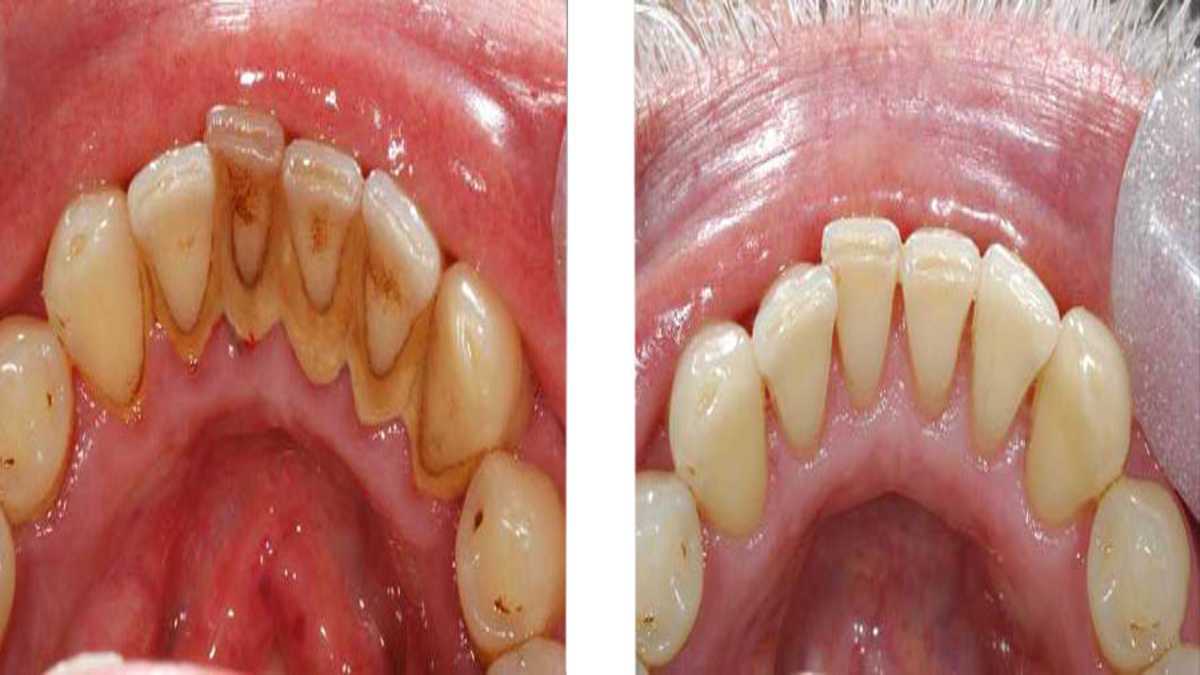
Plaque can only be cleaned off of the teeth at home before it starts to harden into calculus; once it hardens it must be removed by a professional. Brushing the teeth twice a day for two minutes is critical to keeping the teeth free of the bacteria that live in the plaque, and a tartar control toothpaste containing fluoride is preferred if you happen to build up plaque quickly. One area that commonly has more plaque and tartar buildup is the tongue side of the bottom front teeth, and a good way to keep this area clean is to dedicate a full 30 extra seconds of brushing just in this area. The areas in between the teeth make up about 30% of the total tooth surface in the mouth, and are a great place for plaque and tartar to hide. Flossing is essential to prevent gum disease and decay from developing in between the teeth. Electric toothbrushes are more efficient than manual ones and may help remove more plaque. In addition, an antiseptic mouth rinse can be used after brushing and flossing to kill any bacteria that are left over.
Crunchy fruits and vegetables such as apples, carrots and cucumbers naturally clean plaque off of the teeth as you bite and chew. Choosing these healthy options as snacks not only provides good nutrition but also promotes good oral health as well. On the other hand, soft fruits such as bananas, or soft processed snack foods contribute to faster buildup and the proliferation of decay-causing bacteria.
How to Prevent Calculus Buildup on Teeth: A Step-by-Step Guide
Preventing calculus buildup starts with removing plaque before it hardens on your teeth. Plaque is a sticky film of bacteria that forms throughout the day. When plaque remains on tooth surfaces, it can combine with minerals in saliva and harden into calculus, also known as tartar. Unlike soft plaque, calculus cannot be removed effectively with a regular toothbrush or dental floss. Professional dental cleaning is necessary to remove it safely.
If you want to know how to stop calculus buildup, follow these practical steps to maintain cleaner teeth and healthier gums.
Step 1: Brush Your Teeth Twice a Day
Brush your teeth twice daily for two minutes using a soft-bristled toothbrush and fluoride toothpaste. Pay attention to the gumline, the backs of your teeth, and the hard-to-reach surfaces of your molars, where plaque can accumulate.
Hold your toothbrush at approximately a 45-degree angle toward the gumline and use gentle, short strokes. An electric toothbrush with a timer can help you clean your teeth consistently without brushing too aggressively.
Step 2: Clean Between Your Teeth Every Day
A toothbrush cannot adequately clean every space between your teeth. Use dental floss or another interdental cleaning tool daily to remove plaque and food particles from these areas.
Gently guide the floss between each pair of teeth, curve it around each tooth, and move it along the tooth surface toward the gumline without snapping it into the gums. If traditional floss is difficult to use, ask your dentist whether interdental brushes or a water flosser would suit your needs.
Step 3: Use Fluoride Toothpaste and Consider an Antiplaque Mouthwash
Fluoride toothpaste helps strengthen enamel and prevent cavities, making it an important part of your daily oral hygiene routine. An antiplaque or anti-gingivitis mouthwash may also help reduce plaque and gingivitis when used as directed.
Mouthwash should supplement brushing and interdental cleaning rather than replace either one. Ask your dentist which product is appropriate for your oral health needs, especially if you have sensitive teeth, dry mouth, or existing gum problems.
Step 4: Reduce Frequent Sugary Snacks and Drinks
Bacteria in dental plaque use sugars to produce acids that contribute to tooth decay. Frequent sugary snacks and drinks can also make it harder to maintain a healthy oral environment.
Limit sugary beverages, candy, and frequent between-meal snacking. Choose water more often, and maintain a balanced diet that includes nutrient-rich foods. These habits support overall oral health, although they cannot remove calculus that has already hardened.
Step 5: Keep Your Mouth Hydrated
Saliva helps wash away food debris, neutralize acids, and maintain the balance of minerals in your mouth. A dry mouth can make it more difficult to keep teeth clean and may increase the risk of dental problems.
Drink water regularly throughout the day. If you frequently experience dry mouth, discuss possible causes with your dentist, particularly if you take medications that reduce saliva production. Sugar-free gum may also help stimulate saliva when appropriate.
Step 6: Schedule Regular Dental Cleanings
Even with consistent brushing and flossing, some plaque may remain in difficult-to-reach areas and eventually harden into calculus. Professional dental cleanings allow your dental team to remove tartar safely and check for early signs of gum disease.
Many patients benefit from dental checkups and cleanings every six months, but the ideal frequency depends on individual needs. People with a history of gum disease, heavy tartar buildup, or other risk factors may need more frequent visits.
Learn more about routine cleanings and preventive dentistry at Creekside Dental.
Step 7: Avoid Smoking and Tobacco Products
Smoking and other tobacco use can contribute to gum disease, stain teeth, and make it more difficult to maintain good oral health. Tobacco use is also associated with a higher risk of periodontal problems.
Avoiding tobacco can support healthier gums and improve your overall oral health. If you use tobacco, ask your healthcare provider about available cessation resources.
Step 8: Check for Early Signs of Tartar Buildup
Calculus may appear as a hard, yellowish or brown deposit along the gumline or behind the lower front teeth. However, not all tartar is easy to see, particularly when it develops between teeth or below the gums.
Bleeding gums, persistent bad breath, gum tenderness, or gum recession may indicate an underlying oral health problem. If you notice these symptoms, arrange a dental evaluation rather than attempting to scrape deposits off yourself.
Can You Remove Calculus at Home?
Once plaque hardens into calculus, brushing, flossing, and mouthwash cannot reliably remove it. Avoid using sharp instruments, metal dental scrapers, or abrasive home remedies to chip away at tartar, as these can injure your gums or damage tooth surfaces.
A dental professional can determine whether you need a routine cleaning or periodontal treatment to remove deposits below the gumline. If you already have visible tartar, professional removal combined with consistent home care is the safest approach to preventing further buildup.
Protect Your Smile with Preventive Dental Care
The most effective way to prevent calculus buildup is to remove plaque every day, clean between your teeth, maintain healthy habits, and attend dental appointments at the recommended intervals. These steps help control tartar formation and reduce the risk of cavities and gum disease.
Creekside Dental provides preventive dental care for patients in Kennewick, WA. Visit our preventive dentistry page to learn about routine cleanings and gum disease treatment, or contact the office to schedule an appointment.

As I mentioned before, the process of plaque formation is constant in the mouth. Even patients with excellent brushing and flossing habits will probably build some up over time. For this reason it is important to visit your dentist at least twice per year for a routine cleaning to avoid heavy buildup. Our experienced hygienists here at Creekside Dental provide some of the best cleanings in the Tri Cities. Please read some of our Google reviews- we have over 360 currently and they speak for themselves. We look forward to your next appointment!